

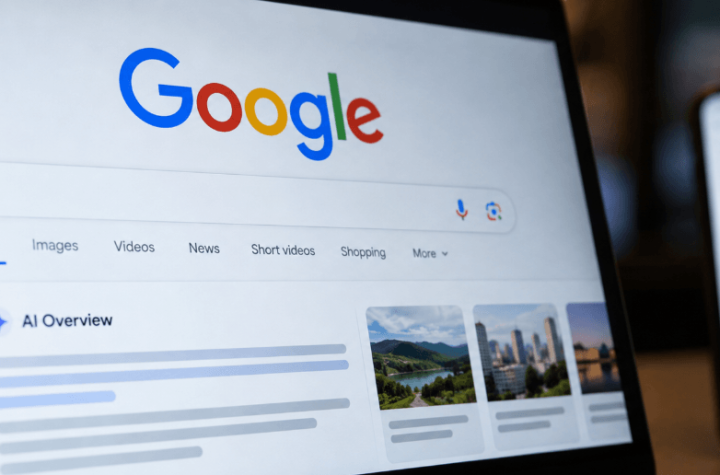
Google has introduced another round of changes to how links appear in AI Mode and AI Overviews, aiming to make it easier for users to visit external websites directly from AI-generated search results. The updates include more prominent links, improved article carousels, and expanded publisher visibility. However, questions remain about whether these changes will generate meaningful traffic for websites and content creators.
The changes, announced on October 15, 2026, reflect Google’s continuing efforts to connect its AI-powered search features with the broader web while addressing concerns from publishers about declining referral traffic and limited performance data.
Google Introduces More Visible Links in AI Search Results
Google announced several improvements designed to make external sources easier to discover within AI-generated responses.
The company has increased the number of links displayed in AI Mode and AI Overviews, with some appearing higher in search responses to improve visibility.
For certain queries, Google will also highlight one or two links directing users to particularly relevant web pages. The approach is intended to help searchers identify useful sources without navigating through numerous results.
Additional changes include more prominent designs for related-article links and expanded article carousels.
Key Changes to AI Mode and AI Overviews
The latest updates include:
-
More source links: Additional website links within AI-generated search responses.
-
Higher link placement: Selected links positioned closer to the beginning of AI answers.
-
Highlighted web pages: One or two relevant links featured for certain searches.
-
Expanded news carousels: Timely article carousels becoming available in more languages and regions.
-
Improved related-article displays: More noticeable thumbnails and link designs.
-
Publisher profile integration: Testing links from creator and publisher names on videos in AI Mode to their Google Search profiles.
The publisher profile experiment differs from direct website linking because users are initially directed to a Google-hosted Search profile rather than the publisher’s website.
Google Expands Article Carousels and Publisher Discovery
One of the more significant changes involves Google’s expansion of timely article carousels across additional international markets.
These carousels display relevant articles within AI-powered search experiences, potentially giving publishers another opportunity to reach audiences searching for current information.
Google is also introducing more visually prominent related-article links, including thumbnail-based presentations intended to encourage users to explore additional content.
Preferred Sources Usage Increases More Than Sevenfold
Google reported that the number of people using its Preferred Sources feature has increased by more than seven times.
The feature allows users to prioritize selected publishers in certain Google Search news experiences, offering another way for readers to discover content from outlets they regularly follow.
Although the reported increase suggests growing adoption, it does not establish how much additional website traffic publishers receive through the feature.
Publishers Continue to Demand AI Search Click Data
Despite Google’s repeated adjustments to link placement and design, a central concern remains unresolved: publishers still lack the detailed click information they want from AI search experiences.
Website owners rely on traffic measurements to evaluate how search visibility translates into visits, audience engagement, and potential advertising revenue.
Google has emphasized that its updated link presentations are designed to encourage users to visit original sources. However, without sufficiently detailed performance reporting, publishers have limited ability to independently evaluate those claims.
Google Says Additional Performance Metrics Will Arrive Over Time
When asked about providing additional information through AI performance reports, Google responded:
“We’re continuing to work with website owners to understand what insights will be most helpful to inform their strategies, and we’ll introduce additional metrics over time.”
The statement indicates that Google is considering further reporting improvements but does not establish when detailed AI-specific click data will become available.
For publishers, click counts remain among the most important measurements because they provide direct evidence of whether search visibility is producing website visits.
Clicks are also a fundamental performance metric in Google Ads, making their importance to website owners particularly clear.
Why Google’s AI Search Changes Matter for Website Owners
The expansion of AI-generated search results has created new challenges for publishers that depend on organic search traffic.
When Google provides detailed answers directly within search results, users may find the information they need without opening the original source.
More visible links could help address this concern, particularly for news organizations, independent publishers, and websites that rely on advertising or subscriptions.
However, increased link visibility does not necessarily guarantee higher click-through rates.
For website operators, meaningful evaluation requires information about how frequently their content appears in AI responses and how often those appearances result in visits.
Without that data, determining whether Google’s design changes benefit publishers remains difficult.
Google’s Latest Updates Leave a Key Question Unanswered
Google’s latest AI Mode and AI Overviews changes demonstrate an ongoing effort to improve access to external websites through more visible links, expanded article carousels, and publisher discovery features.
Nevertheless, the effectiveness of these adjustments remains uncertain without detailed AI-specific click reporting. As AI-powered search becomes increasingly important to online discovery, publishers are likely to continue pressing Google for greater transparency into how its search experiences affect website traffic.

Ernest Hemingway is a contributor at Thecherawchronicle.com, covering a wide range of topics including news, politics, business, technology, sports, entertainment, and lifestyle. He focuses on delivering clear, balanced reporting and useful information that helps readers stay informed about current events and issues that matter to their communities. His work emphasizes accuracy, relevance, and accessibility, bringing readers timely stories and practical insights in a straightforward and engaging way.


More Stories
Grand Theft Auto VI Digital Issue Goes Live With New Details, Screenshots and Developer Interviews
Google Expands Gemini 3.8 Family With Live and Live Extended Thinking
Halloween: The Game Carves Out Its Own Identity in Asymmetrical Horror Multiplayer